
Beyond Square Footage: What Makes a Boston Home Exceptional
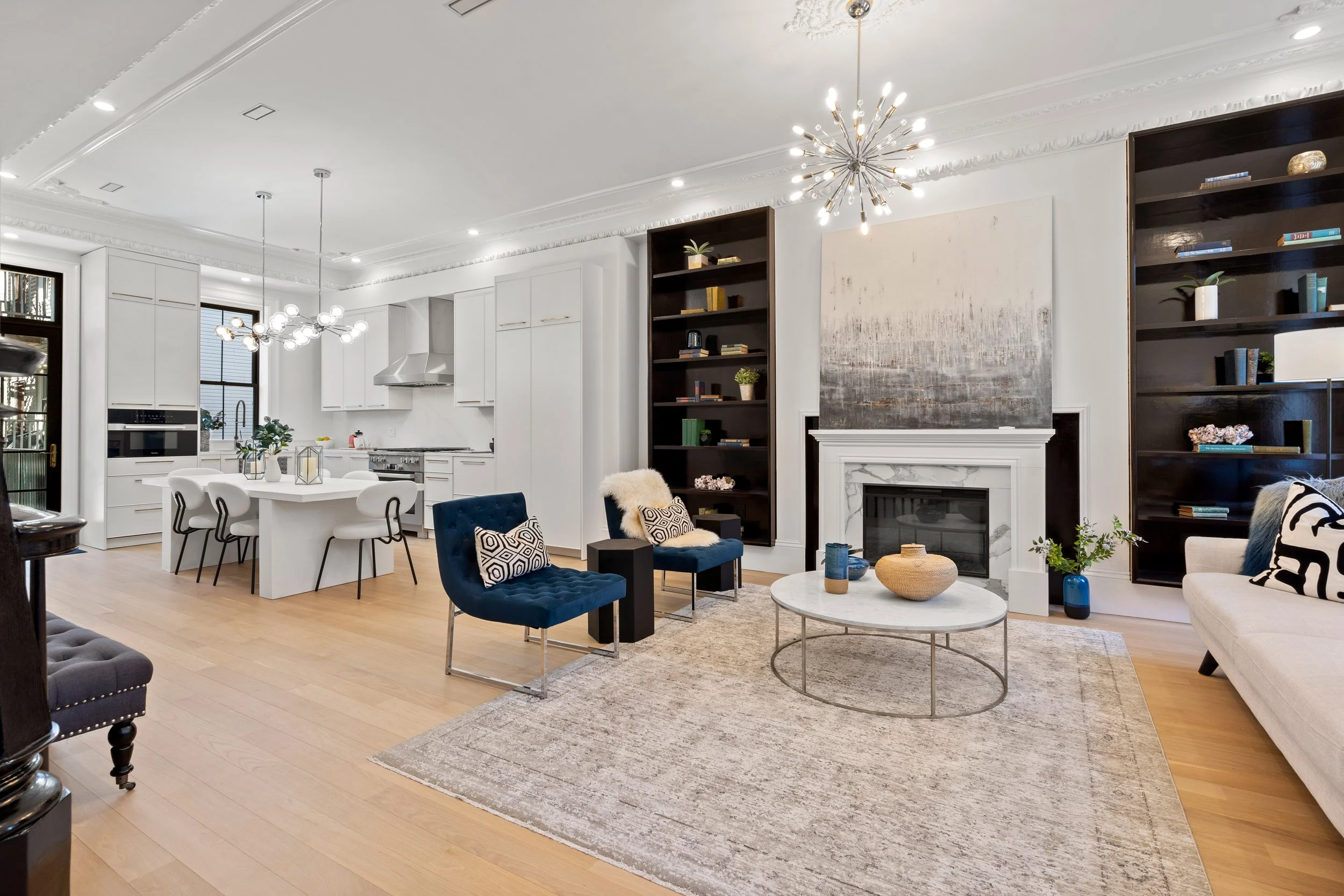
Home Sold by Post Advisory Group in Cambridge, MA
From natural light to architectural character, the details that shape everyday living.
Square footage offers a useful starting point when searching for a home, but it tells only part of the story. Two residences with similar dimensions can offer entirely different experiences. One might have generous windows and a layout that flows naturally, while another offers more rooms but less usable space.
With Post Advisory Group, we encourage buyers to look closely at how a home feels and functions. The qualities you appreciate most may be the ones that never appear in the headline of a listing.
Natural Light
Window placement, exposure, and surrounding buildings all influence how daylight moves through a home. A living room may feel bright during an afternoon showing, while the kitchen receives its best light early in the morning.
As you explore, consider where you would spend different parts of your day. Notice the depth of each room, the outlook from its windows, and whether you would feel comfortable keeping the shades open.
A sunlit corner for reading or a bright kitchen can become a daily pleasure, regardless of the home’s size.
A Thoughtful Layout
A well-designed floor plan gives each space a purpose and makes moving between rooms feel intuitive.
Look at how the kitchen connects to the dining and living areas. Consider whether there is a suitable place to work, enough storage for everyday belongings, and an entryway that accommodates coats, shoes, and bags.
Imagine the home furnished rather than empty. Can you arrange the pieces you use comfortably? Are there awkward passageways or areas that would be difficult to put to use?
The strongest layout is the one that supports your routines.
Architectural Character
Boston’s homes offer a variety of distinctive details, from bay windows and decorative moldings to exposed brick and original staircases. These features can give a residence its identity and provide a starting point for your own design choices.
Pay attention to the details you respond to. A fireplace might anchor the living room, while an arched doorway or beautifully proportioned window gives an otherwise simple space a memorable quality.
For older features, ask about their condition, maintenance, and any known alterations. Understanding their care helps you appreciate both their beauty and their practical implications.
Ceiling Height and Proportion
The feeling of space depends on more than floor area. Ceiling height, room width, and window scale all contribute to how a room looks and functions.
During a showing, consider usable wall space and furniture placement. Picture a dining table with chairs pulled out, a bed with room to move around it, or a living area arranged for conversation.
A room with balanced proportions can be comfortable and easy to furnish, even when its dimensions are modest.
Outdoor Space You Will Use
A terrace, balcony, courtyard, or roof deck can extend the way you enjoy a home. Think about how you would reach it, what fits there, and when you would use it.
A small balcony off the living room might be ideal for morning coffee. A larger terrace might accommodate dining or gardening. Exposure, privacy, and access will shape the experience as much as size.
Confirm whether the space is private or shared, what use is permitted, and who is responsible for maintenance. Those details help you understand how it fits into everyday life.
Views and Privacy
An outlook toward the water, a garden, or surrounding rooftops can add depth and openness to an interior. Even a carefully placed window can create a welcome connection to the outdoors.
Consider privacy alongside the view. Notice sightlines from neighboring buildings and how window coverings might affect the room’s light.
Your preference may be an active streetscape or a more secluded outlook. Spending time at the windows can help you understand which experience the home offers.
Everyday Convenience
Some of a home’s most valuable qualities are easy to overlook in photographs. Convenient laundry, useful storage, accessible entrances, parking, and building services can all influence your daily routine.
Think through an ordinary day. Where would you put groceries when you arrive? How would you receive deliveries? Is there space for the belongings you use regularly?
Ask about building rules, fees, and maintenance responsibilities as well. A clear understanding of these practical details makes it easier to compare properties thoughtfully.
The Surrounding Neighborhood
Your experience of a home extends beyond the front door. Transportation options, nearby shops, green space, and the routes you use regularly all contribute to daily life.
Explore the surrounding blocks and, when possible, visit at different times. Try the commute, walk to nearby amenities, and observe the street activity for yourself.
The goal is to understand how the location aligns with your own priorities, whether that means a convenient transit connection, access to outdoor space, or proximity to places you enjoy.
What Exceptional Means to You
An exceptional home looks different for every buyer. You might be drawn to original architectural details, expansive windows, a practical floor plan, or outdoor space that feels like an additional room.
Defining those priorities helps bring clarity to your search. Square footage can narrow the possibilities; a closer look at light, layout, condition, and location helps you decide which home deserves your attention.
At Post Advisory Group, we help buyers evaluate both the distinctive features and practical considerations of Boston real estate. Connect with our team to explore homes that reflect your priorities and the way you want to live.